SaaS / Security

Secure Client Portal.

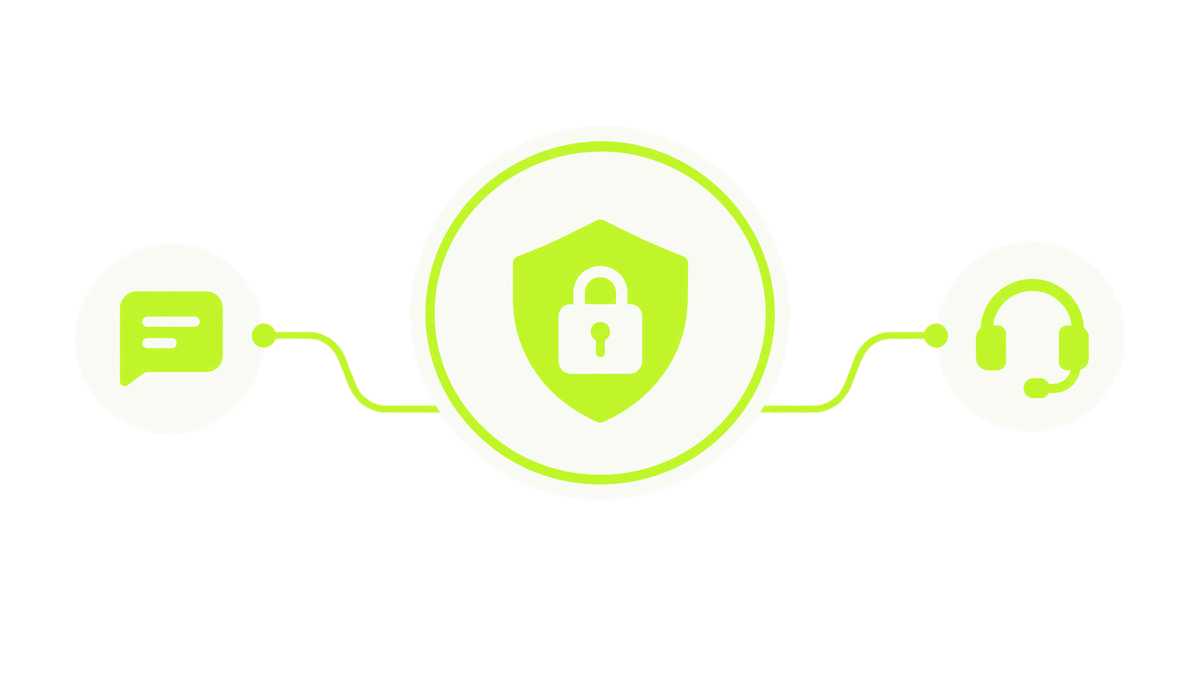
This portal gives customers and internal teams secure access to documents, messages, permissions, and a clear audit trail for client-facing work.

Role-based accessAudit-ready activity
Secure Client Portal
Case study

Project details and operational context.

A practical breakdown of the business problem, product scope, workflows, and implementation considerations.

01

Project overview

The secure client portal was built as a polished web portal with role-based access, document workflows, customer messaging, and audit-ready activity trails. The source content supports a client-facing system used by customers and internal teams to access documents, messages, permissions, and activity history.

This case study is intentionally framed as a secure portal and SaaS-style product surface. It does not name a client, sector, compliance framework, authentication provider, cloud platform, or project timeline because those facts are not available in the repository.

02

Business and problem context

The business problem was secure coordination between customers and internal teams. When documents, messages, permissions, and activity history are scattered across email or disconnected systems, teams can lose visibility into who accessed what, what changed, and which conversations relate to the client record.

The portal addressed that problem by centralizing client-facing interactions in a controlled environment. The existing content supports role-based access and audit-ready activity, so the expanded page focuses on secure document access, customer messaging, permission boundaries, and traceable activity.

03

Key requirements

  • Provide customers and internal teams with secure portal access.
  • Support role-based access so users see the right documents, messages, and records.
  • Manage document workflows in a client-facing interface.
  • Keep customer messaging connected to portal activity.
  • Maintain audit-ready activity trails, as stated in the existing project metrics.
04

What was built

The product was a client portal designed for secure collaboration around documents and messages. It gave customers and internal users a shared place to access information while preserving permission boundaries and activity history.

The existing site positions this work under SaaS and security, and the related links already connect it to web application development, custom business systems, and custom software development. The expanded content keeps that positioning and adds one fitting solution link for system integrations because document, message, and permission workflows often need to sit within a broader business system.

05

Important workflows and capabilities

  • Customer access workflows for viewing relevant portal information.
  • Internal-team access workflows for managing client-facing records.
  • Document workflows that keep files connected to the correct customer context.
  • Customer messaging workflows that reduce fragmented communication.
  • Permission management based on role-based access.
  • Activity trails that support audit-ready review of portal actions.
06

Engineering and security considerations

The supported engineering considerations are role-based access, document workflow structure, customer messaging, and audit-ready activity. These features require clear permission rules, consistent activity logging, and interface states that make access boundaries understandable to users.

The content does not claim encryption details, compliance certifications, penetration tests, single sign-on, or a named identity provider because those details are not present in the repository. The safe technical claim is that the portal was designed around secure access patterns and traceable activity.

07

Operational considerations

A secure client portal has to work for both sides of the relationship. Customers need a clear place to find documents and messages. Internal users need confidence that permissions are correct and that the history of portal activity is reviewable.

The operational value comes from reducing scattered communication and making client-facing records easier to manage. The repository supports document workflows, customer messaging, role-based access, and audit-ready activity, so the expanded page stays within those boundaries.

08

Outcome and impact

The existing metrics for this case study are role-based access and audit-ready activity. They are capability outcomes rather than numeric performance results, so the expanded content does not invent percentages or operational gains.

The supported impact is that customers and internal teams gained a controlled portal for documents, messages, permissions, and activity trails. That makes the project a relevant example for organizations evaluating secure web portals or client-facing business systems.

09

Related ZynoBuilds services and solutions

This case study connects to web application development, custom business systems, custom software development, system integrations, and custom CRM development. Those links fit because the portal combines a browser-based product surface with permissions, client records, document workflows, and internal team coordination.

Ready to map this into your business?

Bring us the workflow, customer problem, or product idea. We will help shape the right next step.