
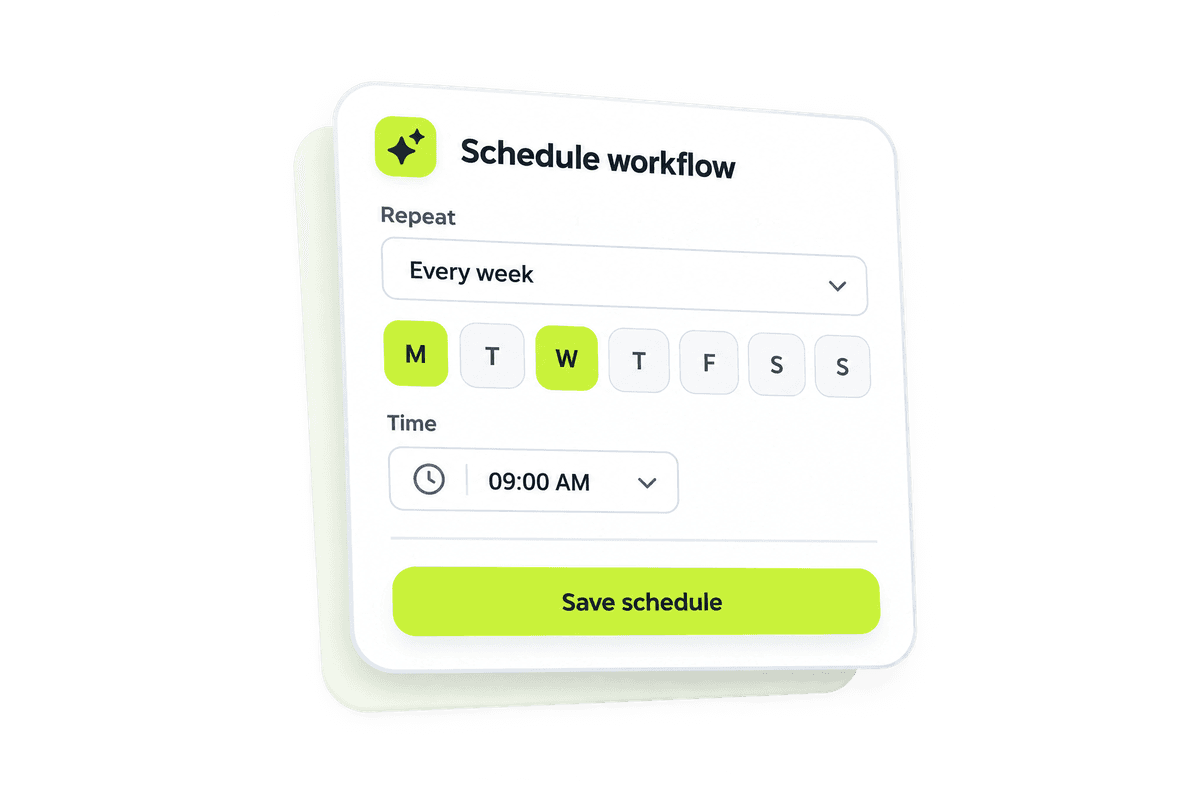
Mobile / Scheduling

Field Service Platform.

The system connects dispatch, field updates, customer status, and job records into one operational workflow for mobile teams and back-office staff.

2.4x dispatch speedUnified job records
Field Service Platform
Case study

Project details and operational context.

A practical breakdown of the business problem, product scope, workflows, and implementation considerations.

01

Project overview

The field service platform was built as a mobile-first system for scheduling crews, tracking jobs, and keeping back-office teams aligned in real time. The source content identifies dispatch, field updates, customer status, and job records as the core operational workflow, so the case study focuses on those supported capabilities.

This is a practical example of software built for mobile teams rather than a generic scheduling page. It connects the field and office sides of the operation so job information can move through one shared workflow instead of being split across calls, messages, and disconnected records.

02

Business and problem context

Field-service operations depend on coordination. Dispatchers need to schedule crews, field teams need current job information, and back-office staff need updates that reflect what is happening outside the office. The existing description supports a system designed to keep these groups aligned in real time.

The business problem was not only scheduling; it was the operational gap between scheduling, job tracking, customer status, and unified records. When those pieces are separated, teams can lose time reconciling job information or chasing updates. The platform addressed that coordination problem by bringing the work into one operational system.

03

Key requirements

  • Provide a mobile-first experience for crews and field users.
  • Support crew scheduling and dispatch workflows.
  • Track jobs through a shared operational record.
  • Keep back-office teams aligned with field updates and customer status.
  • Maintain unified job records, as stated in the existing case-study metrics.
04

What was built

The built product was an operational platform for field-service coordination. It combined dispatch planning, mobile field updates, customer status visibility, and job records into one workflow. The existing project content supports positioning it as both a mobile application effort and a custom business system.

The platform is relevant for companies that need field and office teams to work from the same operational picture. It does not claim a specific industry, fleet type, map provider, notification service, or mobile framework because the repository does not include those details.

05

Important workflows and capabilities

  • Scheduling workflows for assigning crews and organizing field work.
  • Dispatch workflows that help office teams coordinate jobs and update assignments.
  • Field update flows so mobile teams can keep job status current.
  • Customer status visibility connected to the operational job record.
  • Unified job records that reduce scattered or duplicated operational information.
06

Engineering and workflow considerations

The supported engineering considerations are mobile-first usability, shared records, and real-time operational alignment. For a field-service platform, the product experience must account for users working away from a desk and back-office teams monitoring work centrally.

The repository does not confirm offline mode, GPS tracking, push notifications, or a specific API architecture for this case study, so those capabilities are not claimed. The useful technical framing is that dispatch, job status, customer status, and field updates need a consistent data model so every team sees the same job state.

07

Operational considerations

This type of platform has to be easy to use during active work, not only during planning. Field teams need fast access to the current job record, while back-office users need enough visibility to understand progress and customer status without interrupting crews unnecessarily.

The existing metric of 2.4x dispatch speed supports the operational goal: faster dispatch coordination. The content does not expand that into unsupported productivity or revenue claims.

08

Outcome and impact

The existing case-study metrics are 2.4x dispatch speed and unified job records. Those are the only outcomes stated as measured impact. The expanded case study keeps the impact focused on dispatch speed and record consolidation.

For a buyer evaluating a similar build, the practical value is clear: the system brought scheduling, field updates, customer status, and job records into one workflow so mobile teams and office staff could coordinate around the same information.

09

Related ZynoBuilds services and solutions

This case study links naturally to mobile app development, custom business systems, custom software development, workflow process automation, and business process automation. Those areas match the supported facts around mobile teams, scheduling, dispatch, job tracking, and shared operational records.

Ready to map this into your business?

Bring us the workflow, customer problem, or product idea. We will help shape the right next step.